



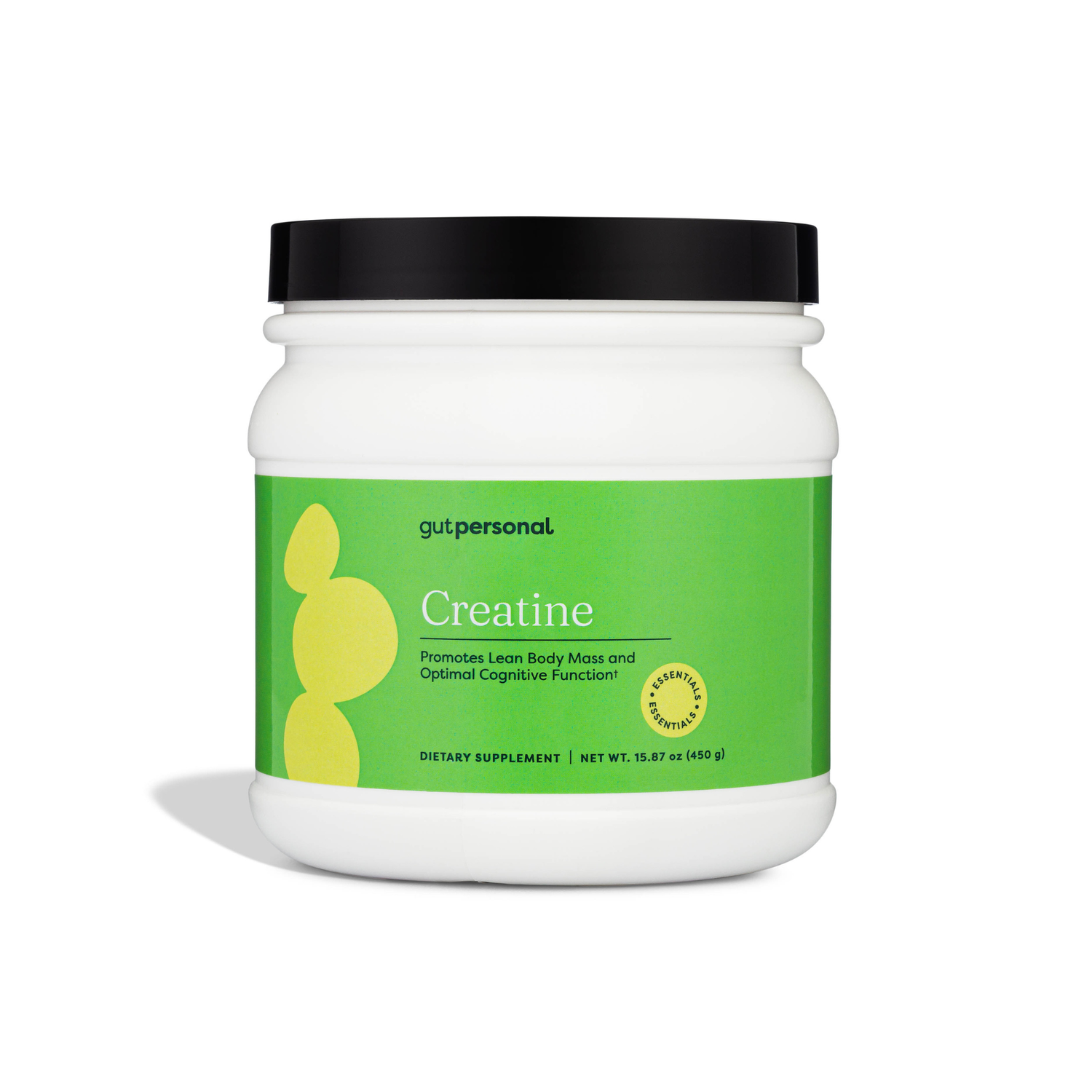

Creatine is one of the most extensively researched nutrients in sports and clinical nutrition, recognized for its benefits that extend well beyond athletic performance. As a naturally occurring compound essential for rapid cellular energy production, creatine supplementation has been shown to enhance strength, endurance, and recovery, while also supporting cognitive function and healthy aging.
Creatine monohydrate works by increasing the body’s phosphocreatine (PCr) stores, which play a critical role in regenerating adenosine triphosphate (ATP), the primary energy currency of the cell. By supporting efficient ATP regeneration, creatine helps maintain physical and cognitive performance during periods of high demand.
Overview
Derived from amino acids, creatine is a naturally occurring compound found predominantly in skeletal muscle tissue, where approximately 95% of the body’s creatine is stored. Within muscle cells, creatine exists in two forms: free creatine and phosphocreatine. Phosphocreatine serves as a rapidly available energy reserve, helping replenish ATP during short bursts of intense activity.
The body synthesizes approximately 1 gram of creatine per day, primarily in the liver, kidneys, and pancreas. An additional gram is typically obtained through the diet, mainly from animal-based protein sources such as red meat and fish. Because creatine is continuously broken down and excreted, maintaining adequate levels through diet and supplementation may be important for individuals with increased physical, cognitive, or metabolic demands.
Bioavailability and Creatine Monohydrate
Creatine monohydrate is the most studied and well-validated form of creatine. It is recognized for its stability, bioavailability, and consistent clinical outcomes. Once ingested, creatine monohydrate is efficiently absorbed and transported into muscle and brain tissue, where it contributes to phosphocreatine stores.
Unlike less-studied creatine derivatives, creatine monohydrate has demonstrated reliable absorption without the need for complex delivery systems. Clinical research supports its ability to increase intramuscular creatine concentrations, promote cellular hydration, and enhance training capacity, which may indirectly stimulate muscle protein synthesis and lean mass development.
Athletic Performance and Recovery
Creatine supplementation has been shown to support improvements in maximal strength, power output, muscular endurance, and work capacity. By increasing phosphocreatine availability, creatine enhances the body’s ability to rapidly regenerate ATP during high-intensity exercise.
In addition to performance benefits, creatine may support recovery by reducing markers of muscle breakdown and exercise-induced muscle soreness. Studies indicate that individuals supplementing with creatine experience less muscle enzyme release following intense exercise, suggesting reduced muscle fiber stress and improved recovery capacity.
Creatine supplementation combined with resistance training has been shown to increase lean body mass across a wide range of ages, from young adults to older populations.
Cognitive Function
Creatine also plays a role in brain energy metabolism. Neurons rely on phosphocreatine to maintain energy balance, particularly during cognitively demanding tasks or metabolic stress. Research suggests that creatine may support mitochondrial function, reduce oxidative stress, and help prevent ATP depletion in the brain.
Clinical trials and systematic reviews have found that creatine supplementation may improve aspects of cognitive performance, including working memory and reasoning, especially in situations involving sleep deprivation or increased mental demand.
Healthy Aging
Age-related declines in muscle mass, strength, and physical function are a major concern for long-term health and independence. Resistance training is a cornerstone strategy for preserving muscle tissue, and creatine supplementation has emerged as a valuable adjunct for older adults.
Research shows that creatine supplementation combined with resistance exercise supports greater gains in lean mass and strength compared to resistance training alone. Emerging evidence also suggests a potential role for creatine in supporting bone health when used alongside structured exercise programs.
Safety and Tolerability
Creatine monohydrate has been extensively studied and is considered safe and well tolerated in healthy individuals when used as directed. Long-term studies and position statements from professional nutrition organizations have found no evidence that creatine supplementation adversely affects kidney function in healthy or clinical populations.
The temporary increase in serum creatinine observed with supplementation reflects normal creatine metabolism and does not indicate impaired kidney function.
Suggested Use
Mix 1 scoop (5 g) with 8 ounces of water or your preferred beverage once daily, or as recommended by your health care professional.
Creatine may be taken with or without food and does not require a loading phase for effectiveness.
Shop Creatine here!


Leave a comment
All comments are moderated before being published.
This site is protected by hCaptcha and the hCaptcha Privacy Policy and Terms of Service apply.